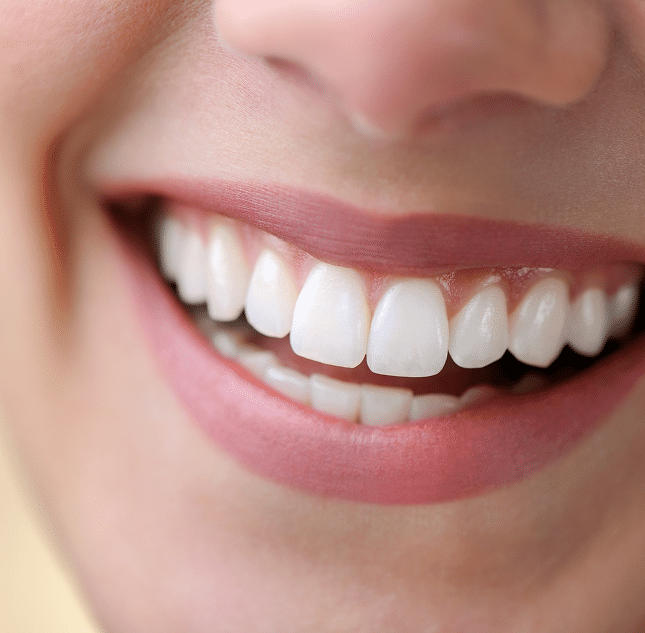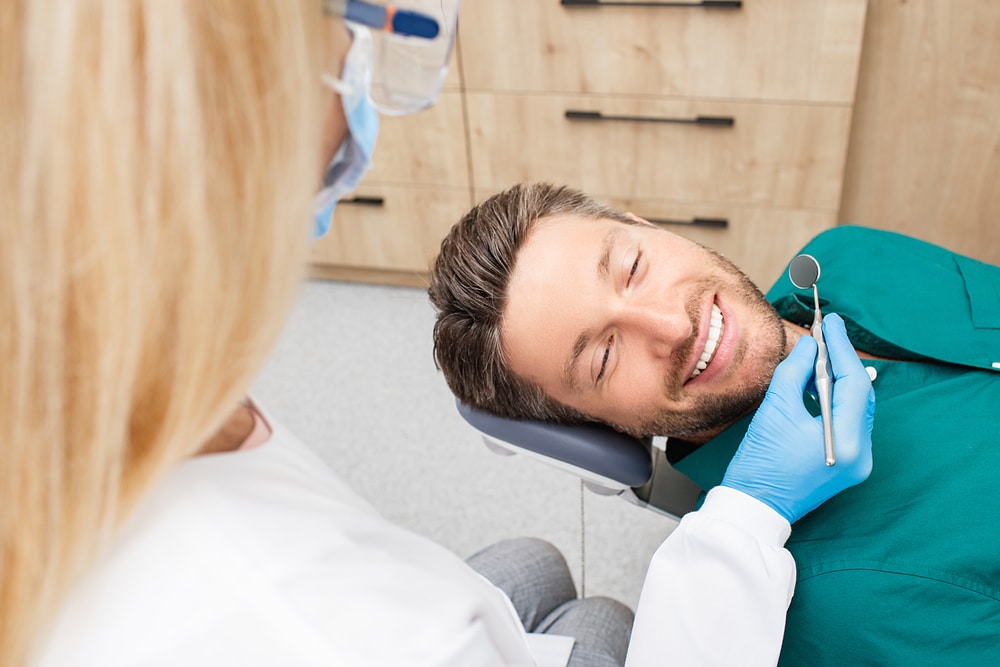
Dental bonding in Melville, NY, is a conservative cosmetic treatment used to improve the appearance of teeth with chips, small gaps, discoloration, uneven edges, or minor shape concerns. The treatment uses tooth-colored composite resin to repair or refine the visible surface of a tooth. For many patients, bonding offers a simple way to improve the smile without the more involved preparation required for some other cosmetic treatments.
At Restorative and Implant Dentistry of Long Island (RIDLI), Mitchell B. Shaw, D.D.S., brings a restorative eye to cosmetic improvements. Because bonding must blend naturally and function comfortably, Dr. Shaw evaluates the tooth, bite, and surrounding smile before recommending treatment. Patients in Melville and throughout Long Island, NY, can expect a careful approach focused on results that look balanced, feel comfortable, and support oral health.
What Is Dental Bonding?
Dental bonding is a cosmetic dental procedure that uses a tooth-colored resin material to change the look of a tooth. The resin is shaped directly on the tooth, then hardened and polished so it blends with the surrounding enamel. Bonding can often be completed in one visit, depending on how many teeth are being treated.
Because bonding is usually less invasive than veneers or crowns, it may be a good choice for small cosmetic improvements. It can help restore a more even appearance while preserving much of the natural tooth structure. Dr. Shaw can explain whether bonding is likely to meet the patient’s goals or whether another option would provide a stronger or longer-lasting result.
What Can Dental Bonding Fix?
Dental bonding is often recommended for minor to moderate cosmetic concerns. It works best when the tooth is otherwise healthy and the issue affects appearance more than overall strength.
Dental bonding may be used to improve:
- Small chips or cracks
- Minor gaps between teeth
- Uneven tooth edges
- Slightly misshapen teeth
- Discoloration that does not respond well to whitening
- Teeth that appear too short
- Small areas of enamel wear
Bonding is not always the best solution for teeth that absorb heavy bite pressure, have large fractures, or need major structural repair. In those situations, a crown, veneer, or another restorative option may be more appropriate.
How Dental Bonding Works
The bonding process begins with an exam and a discussion of the patient’s smile goals. Dr. Shaw selects a resin shade designed to match the surrounding teeth as closely as possible. In many cases, little to no tooth preparation is needed.
The tooth surface is prepared so the bonding material can attach securely. The composite resin is then applied, shaped, and sculpted to create the desired contour. Once the material is hardened, Dr. Shaw refines the shape and polishes the bonding for a smoother, more natural appearance.
Because the result depends on shape, shade, and bite contact, careful finishing is important. A well-planned bonding treatment should not only improve the look of the tooth but also feel comfortable when biting and speaking.
The Benefits Of Dental Bonding
Dental bonding can be a practical option for patients who want noticeable improvement without extensive treatment. It is often chosen for targeted changes rather than a full smile makeover.
Benefits may include:
- Natural-looking repair for small chips
- Improvement in tooth shape or symmetry
- A conservative approach that preserves tooth structure
- Treatment that can often be completed in one visit
- Tooth-colored material matched to the smile
- A more even and polished appearance
Bonding can also be helpful when patients want to improve one or two specific teeth. A consultation can help determine whether bonding will create the desired result.
Caring For Bonded Teeth
Bonded teeth need daily care to help the material last and remain attractive. Composite resin is durable, but it can stain, chip, or wear over time, especially when exposed to heavy biting forces or habits such as nail biting.
Patients can care for dental bonding by:
- Brushing and flossing daily
- Avoiding chewing ice, pens, or hard objects
- Limiting coffee, tea, red wine, and tobacco
- Wearing a nightguard, if recommended for grinding
- Keeping routine dental cleanings
- Calling the dentist if bonding feels rough, loose, or uncomfortable
With good care and regular dental visits, bonding can continue to support a cleaner, more confident smile.
Why Choose Restorative And Implant Dentistry Of Long Island (RIDLI)
Dental bonding may seem simple, but the best results depend on careful shade matching, shaping, polishing, and bite evaluation. At Restorative and Implant Dentistry of Long Island (RIDLI), Mitchell B. Shaw, D.D.S., applies more than forty years of dental experience to cosmetic treatments that must function as well as they look. His background in restorative care helps guide decisions about when bonding is appropriate and when a different solution may better protect the tooth.
Dr. Shaw earned his dental degree from SUNY Stony Brook School of Dental Medicine, graduating with numerous scholastic honors and being selected Class Salutatorian by his classmates. As co-founder and senior partner of RIDLI, he provides unhurried care that allows patients to ask questions, review options, and feel confident in their treatment plan.
Refine Your Smile In Melville, NY
Dental bonding can repair small flaws and improve tooth shape, color, or symmetry with a conservative cosmetic approach. Restorative and Implant Dentistry of Long Island (RIDLI) offers dental bonding in Melville for patients throughout Long Island, NY. To discuss whether bonding is the right option for your smile goals, call Mitchell B. Shaw, DDS, PLLC, Restorative & Implant Dentistry of Long Island at (631) 271-1522 to schedule a consultation. Dr. Shaw can evaluate the tooth and recommend a treatment plan that fits your needs.