Mini dental implants in Melville, NY, can help stabilize replacement teeth for patients who want more support than traditional removable dentures may provide. These smaller-diameter implants are designed to anchor certain restorations and, in select cases, often require a less involved placement process than standard implants. For patients struggling with loose dentures, missing teeth, or difficulty chewing comfortably, mini dental implants may offer a practical path toward better stability.
At Restorative and Implant Dentistry of Long Island (RIDLI), Mitchell B. Shaw, D.D.S., evaluates implant options with the full health of the mouth in mind. His experience in implant-supported reconstruction and complex restorative dentistry helps patients throughout Melville and Long Island, NY learn whether mini dental implants, traditional implants, dentures, or another tooth replacement plan best fits their needs.
What Are Mini Dental Implants?
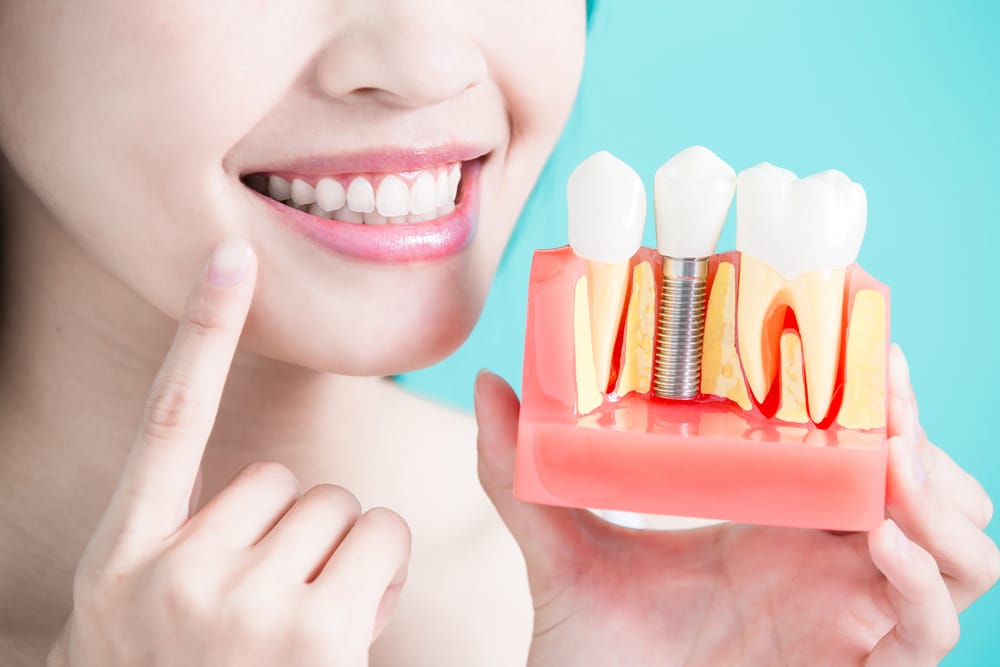
Mini dental implants are narrow dental implants used to support replacement teeth. Like traditional implants, they are placed in the jawbone and act as anchors for a dental restoration. Their smaller size can make them useful in certain situations where available bone, denture stability, or treatment goals make them a reasonable option.
Mini implants are often discussed for denture stabilization, especially when a lower denture moves during eating or speaking. They may also be considered in specific tooth replacement cases, depending on the bite, bone support, and the type of restoration needed. A dental evaluation is necessary because mini implants are not the best choice for every patient or every area of the mouth.
Mini Dental Implants Vs. Traditional Dental Implants
Mini dental implants and traditional dental implants serve a similar purpose, but they are not the same. Traditional implants are larger and are often used for single crowns, bridges, or implant-supported dentures. Mini implants are smaller in diameter and may be recommended when less bone is available or when the main goal is stabilizing a denture.
Key differences may include:
- Mini implants are narrower than traditional implants
- Mini implants may require less bone in certain cases
- Traditional implants may be preferred for higher bite forces
- Mini implants are often used for denture stability
- Treatment planning depends on bone health, bite pressure, and restoration needs
Dr. Shaw can explain which option is appropriate after examining the mouth, reviewing dental history, and discussing the patient’s goals.
The Benefits Of Mini Dental Implants
Mini dental implants can make a noticeable difference for patients with loose or uncomfortable dentures. Better stability can make eating, speaking, and smiling feel more natural.
Potential benefits include:
- Improved denture retention
- Less movement while chewing or speaking
- Reduced reliance on denture adhesive
- Better comfort during daily activities
- More confidence when smiling
- A treatment option for some patients with limited bone
- Support for a more secure tooth replacement plan
The benefits depend on the patient’s oral health, bone support, and restoration design. Dr. Shaw can review expected results before treatment begins.
When Mini Dental Implants May Be Recommended
Mini dental implants may be helpful for patients who want a more secure fit for removable dentures or who have been told they may have limited bone for standard implant treatment. They can improve comfort by helping reduce denture movement during everyday activities.
Patients may ask about mini dental implants if they experience:
- Loose or shifting dentures
- Trouble chewing with removable dentures
- Sore spots caused by denture movement
- Difficulty speaking clearly with dentures
- Missing teeth and limited bone volume
- Interest in a less complex implant option
- Frustration with adhesives or frequent denture adjustments
A consultation can help determine whether mini implants are suitable or whether another restorative option would provide better long-term support.
What To Expect During Treatment
The treatment process begins with a detailed evaluation of the teeth, gums, jawbone, bite, and current denture or restoration. Dr. Shaw may also review whether the patient has medical factors that could affect healing or implant success. This planning step helps determine how many implants may be needed and where they should be placed.
If mini dental implants are recommended, they are placed in specific areas of the jaw to support the planned restoration. Some patients may be able to use a modified denture or receive a new denture designed to attach to the implants. Follow-up visits allow the fit, comfort, and function of the restoration to be checked.
Why Choose Restorative And Implant Dentistry Of Long Island (RIDLI)
Mini dental implant treatment requires careful judgment because implant size, bone support, bite forces, and the final restoration all affect the outcome. At Restorative and Implant Dentistry of Long Island (RIDLI), Mitchell B. Shaw, D.D.S., brings more than forty years of restorative and implant-related experience to treatment planning. His work in complex restorative care helps patients compare mini implants with traditional implants, bridges, and denture options.
Dr. Shaw graduated from SUNY Stony Brook School of Dental Medicine with numerous scholastic honors and later completed a General Practice Residency at Long Island Jewish-Hillside Medical Center. As co-founder and senior partner of RIDLI, he is known for taking the time to meet with patients, answering questions clearly, and planning care around comfort, function, and long-term oral health.
Stabilize Your Smile In Melville, NY
Mini dental implants may help improve denture stability and make tooth replacement feel more secure during daily life. Restorative and Implant Dentistry of Long Island (RIDLI) provides implant-supported restorative care in Melville for patients across Long Island, NY. To find out whether mini dental implants are appropriate for your needs, call Mitchell B. Shaw, DDS, PLLC, Restorative & Implant Dentistry of Long Island at (631) 271-1522 to schedule a consultation. Dr. Shaw can evaluate your bite, bone support, and restoration options before recommending a treatment plan.