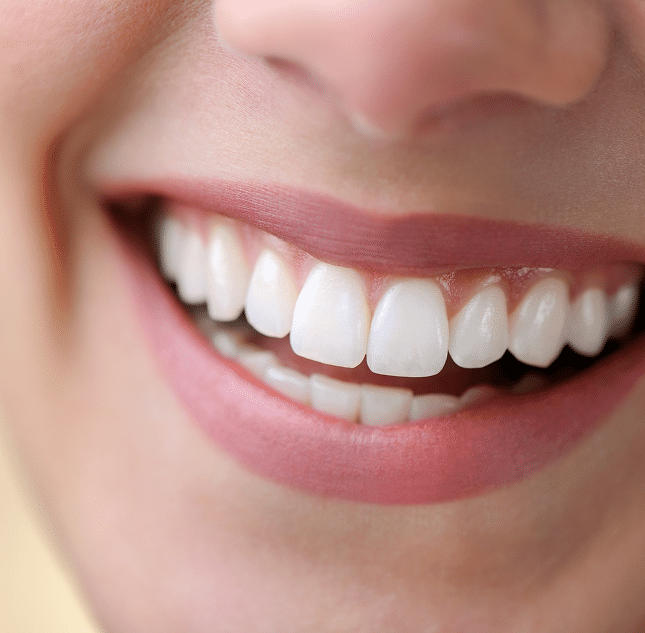
Restorative dentistry in Melville, NY, helps repair damaged teeth, replace missing teeth, and restore healthier function to the smile. When teeth are affected by decay, injury, wear, infection, or tooth loss, restorative care can make eating, speaking, and smiling feel more comfortable again. Treatment may involve a single restoration or a more complete plan, depending on the patient’s needs.
At Restorative and Implant Dentistry of Long Island (RIDLI), Mitchell B. Shaw, D.D.S., provides restorative care with a focus on comfort, function, appearance, and long-term oral health. His experience with crowns, bridges, dentures, implants, inlays and onlays, and full-mouth reconstruction helps patients in Melville and throughout Long Island, NY, understand their options before treatment begins.
What Is Restorative Dentistry?
Restorative dentistry includes dental treatments used to repair or replace damaged or missing teeth. A patient who has teeth that are damaged or missing, whether from disease, injury or other causes, is a candidate for restorative dentistry, which will restore overall mouth health and make teeth look aesthetically pleasing.
Receiving proper treatment for damaged or missing teeth is essential in order to prevent further problems and eliminate difficulties with eating or speaking. Restorative care can also help protect the bite, reduce stress on remaining teeth, and support the health of the gums and jaw.
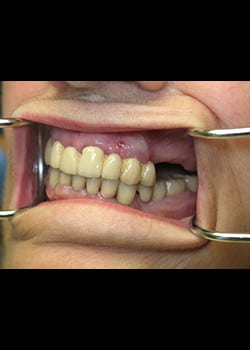
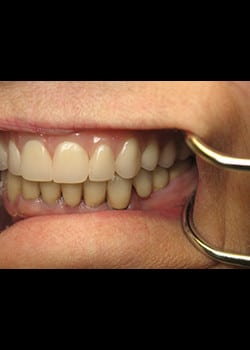
Dental Implants Before & After
Restorative Dental Treatments
There are several restorative options available, and which ones are used depend upon the patient’s overall health, personal preference, and the doctor’s recommendation. Available restorative dental treatments at Restorative and Implant Dentistry of Long Island (RIDLI) include the following.
Dental Fillings
Dental fillings repair teeth affected by cavities or minor damage. Tooth-colored composite fillings may be used when decay is modest in size, and the tooth can be restored without a crown.
Dental Crowns
Dental crowns cover and protect teeth that are cracked, weakened, worn, heavily filled, or treated with extensive dental work. A crown can restore the tooth’s shape, strength, and chewing surface.
Dental Bridges
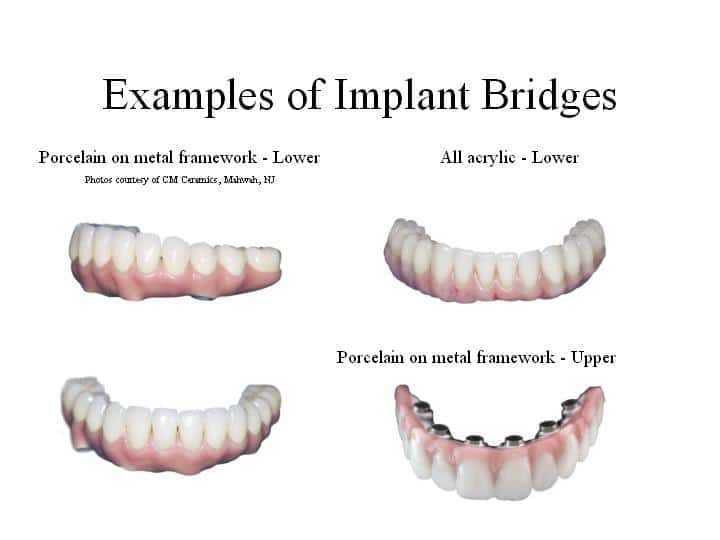
Dental bridges replace one or more missing teeth by using neighboring teeth or dental implants for support. A bridge can close gaps, improve chewing ability, and help keep nearby teeth from shifting.
Dental Implants
Dental implants replace missing tooth roots and support crowns, bridges, dentures, or full arch restorations. They can help restore stability, function, and a natural-looking appearance after tooth loss.
Mini Dental Implants
Mini dental implants are smaller-diameter implants that may help stabilize dentures or support certain restorations in select cases. Dr. Shaw can explain whether mini implants or traditional implants are more appropriate based on bone support, bite forces, and treatment goals.
Dentures
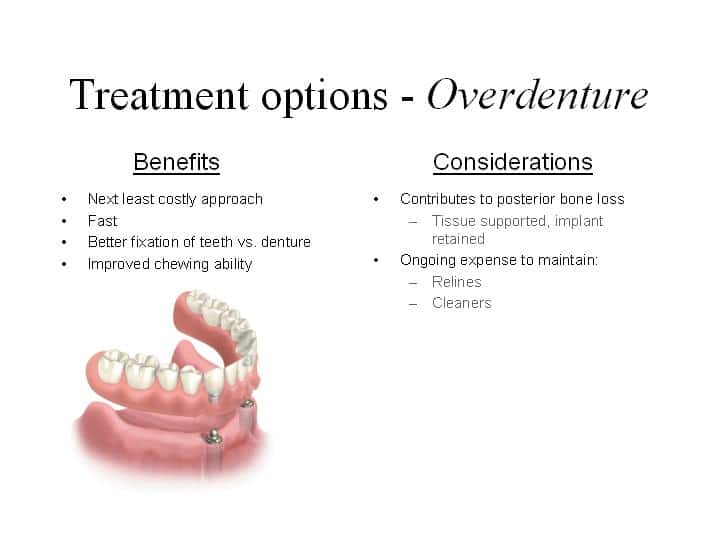
Full and partial dentures replace missing teeth and help restore facial support, speech, and chewing function. Dentures may be removable or supported by dental implants for added stability.
Inlays And Onlays
Inlays and onlays restore teeth that need more support than a filling but may not require a full crown. These custom restorations are often used for back teeth with moderate decay, worn chewing surfaces, or damaged cusps.
Root Canals
Root canal treatment helps save a tooth when infection or inflammation reaches the inner pulp. After the damaged tissue is removed, the tooth can often be restored with a crown or another protective restoration.
Dental Bonding
Dental bonding uses tooth-colored resin to repair small chips, cracks, gaps, or worn areas. It can be a conservative restorative option when the tooth does not need more extensive coverage.
Full Arch Implants
Full-arch implants are used for patients missing most or all of the teeth in an upper or lower arch. They can support full arch replacement teeth to restore function and esthetics.
Full-Mouth Reconstruction
Full-mouth reconstruction combines multiple restorative treatments to rebuild comfort, function, and appearance when several teeth or areas of the mouth are affected. It may include crowns, bridges, implants, dentures, inlays, onlays, periodontal treatment, or cosmetic care.
Candidates For Restorative Dentistry
A patient with damaged or missing teeth, whether from disease, injury, or other causes, is a candidate for restorative dentistry. Patients may benefit from restorative care if they have trouble chewing, missing teeth, worn or cracked teeth, older restorations, tooth pain, or changes in how their bite feels.
A consultation allows Dr. Shaw to evaluate the teeth, gums, bite, existing dental work, and overall care goals. From there, treatment plans and options can be discussed before treatment begins.

What Are The Benefits Of Restorative Dentistry?
Each type of dental restoration has its own benefits. Treatment plans and care options are thoroughly discussed prior to treatment beginning to ensure that each patient receives care tailored to their needs and preferences.
Restorative dentistry can help:
- Repair damaged or decayed teeth
- Replace missing teeth
- Improve chewing and speaking comfort
- Protect weakened teeth from further damage
- Support a more balanced bite
- Improve the appearance of the smile
- Reduce the risk of future dental complications
The right treatment depends on the condition of the mouth and the patient’s priorities for comfort, function, and esthetics.
Why Choose Restorative And Implant Dentistry Of Long Island (RIDLI)
Restorative dentistry requires careful planning because damaged or missing teeth can affect the entire mouth. At Restorative and Implant Dentistry of Long Island (RIDLI), Mitchell B. Shaw, D.D.S., brings more than forty years of experience in restorative and implant dentistry to patient care. His approach emphasizes individualized treatment plans, clear communication, and care tailored to each patient’s needs and preferences.
Dr. Shaw is a Long Island native who earned his dental degree from SUNY Stony Brook School of Dental Medicine with numerous scholastic honors. He also completed a General Practice Residency at Long Island Jewish-Hillside Medical Center, gaining experience across varied dental settings. Whether treatment involves a single crown or a complex reconstruction, patients can expect an unrushed environment focused on comfort and long-term oral health.
Restore Comfort And Function In Melville, NY
Restorative dentistry can help repair damaged teeth, replace missing teeth, and make daily activities like eating and speaking more comfortable. Restorative and Implant Dentistry of Long Island (RIDLI) provides restorative dentistry in Melville for patients throughout Long Island, NY. To see if restorative dentistry options are right for you, call Mitchell B. Shaw, DDS, PLLC Restorative & Implant Dentistry of Long Island at (631) 271-1522 to schedule a consultation. Dr. Shaw can review your needs and explain which restorative options may best support your smile.