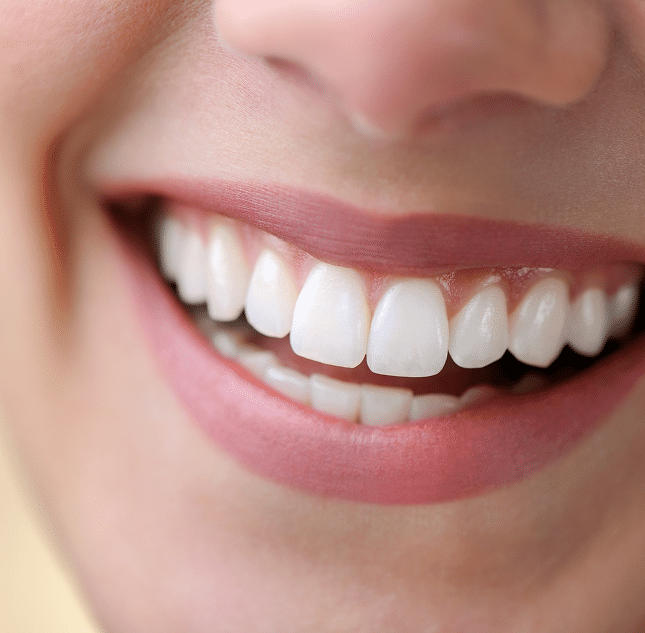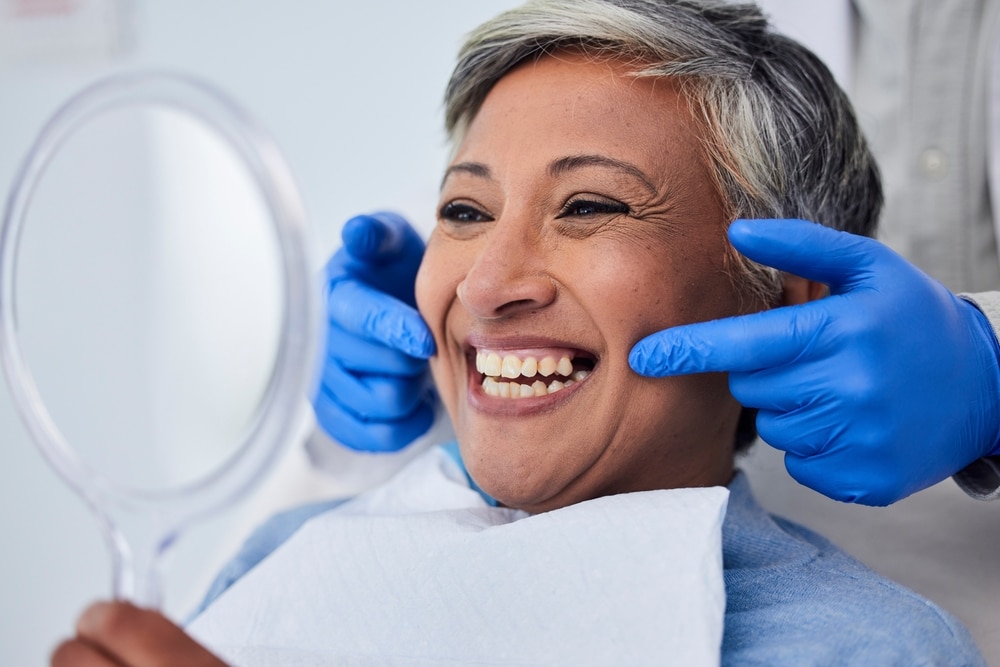
Periodontal treatment in Melville, NY, focuses on diagnosing, managing, and treating gum disease before it causes further damage to the teeth, gums, and supporting bone. Gum disease can begin with mild inflammation, bleeding, or tenderness, but it may progress into a more serious condition that affects tooth stability and overall oral health. With timely care, patients can often reduce the risk of infection, protect their smile, and improve daily comfort.
Mitchell B. Shaw, D.D.S., of Restorative and Implant Dentistry of Long Island (RIDLI) provides periodontal care with the same comprehensive approach he brings to restorative and implant-related treatment. Because gum health affects nearly every part of dental function, Dr. Shaw evaluates the full mouth, including the gums, teeth, bite, restorations, and long-term risks. Patients in Melville and throughout Long Island, NY, can receive attentive care in an unrushed setting where concerns are addressed clearly.
What Is Periodontal Treatment?
Periodontal treatment includes dental services used to treat gum disease and support healthier gum tissue. Gum disease develops when bacteria and plaque collect along or below the gumline. In its earliest stage, called gingivitis, the gums may become red, swollen, tender, or prone to bleeding.
If gum disease progresses, it can become periodontitis. At this stage, the gums may pull away from the teeth, creating pockets where bacteria can collect. Over time, this can damage the bone and tissues that hold teeth in place. Periodontal treatment is designed to control infection, reduce inflammation, and help prevent further breakdown.
Signs You May Need Periodontal Care
Gum disease can be easy to overlook at first. Some patients have symptoms that seem minor, while others do not notice a problem until the condition has advanced.
Signs that may point to gum disease include:
- Bleeding when brushing or flossing
- Red, swollen, or tender gums
- Persistent bad breath
- Gum recession
- Loose or shifting teeth
- Pain when chewing
- Deep pockets around the teeth
- Changes in the way the bite feels
- Teeth that appear longer than before
A dental evaluation is important when these symptoms appear. Early treatment can help reduce the risk of tooth loss and the need for more involved dental care later.
Common Periodontal Treatment Options
The right periodontal treatment depends on the severity of gum disease and the patient’s overall oral health. For mild cases, improved home care and professional cleanings may be enough to control inflammation. More advanced cases may require deeper cleaning below the gumline.
Scaling and root planing is a common nonsurgical treatment for gum disease. During this process, plaque and tartar are removed from below the gumline, and the tooth roots are smoothed to make it harder for bacteria to collect. Patients may also need ongoing periodontal maintenance visits to keep gum disease under control.
When gum disease is more advanced, Dr. Shaw may coordinate care with trusted dental specialists as needed. This collaborative approach helps patients receive appropriate treatment while keeping the full health of the smile in mind.
Why Gum Health Matters
Healthy gums do more than frame the teeth. They help protect the roots, support tooth stability, and reduce the risk of infection spreading deeper into the mouth. When gum disease is left untreated, the damage can affect chewing comfort, smile appearance, and the success of future restorative work.
Periodontal care may help patients:
- Reduce gum bleeding and inflammation
- Improve breath affected by gum infection
- Protect bone and tissue support
- Lower the risk of tooth loss
- Improve comfort while brushing, flossing, and chewing
- Support the long-term success of crowns, bridges, dentures, or implants
For patients considering restorative or cosmetic dentistry, gum health is often an important first step. A healthier foundation can make future dental treatment more stable and predictable.
Maintaining Results After Periodontal Treatment
Periodontal treatment does not end after the initial therapy. Gum disease can return if bacteria build up again, so consistent maintenance is important. Dr. Shaw may recommend a personalized schedule for cleanings and follow-up visits based on the patient’s gum health and risk factors.
Daily brushing, flossing, and any recommended cleaning tools can help control plaque at home. Patients who smoke, have diabetes, grind their teeth, or have a history of gum disease may need closer monitoring. Staying consistent with care helps protect the progress made during treatment.
Why Choose Restorative And Implant Dentistry Of Long Island (RIDLI)
Periodontal treatment requires more than cleaning the gums. It requires careful attention to how gum health affects tooth stability, restorative planning, and long-term oral function. At Restorative and Implant Dentistry of Long Island (RIDLI), Mitchell B. Shaw, D.D.S., brings more than forty years of comprehensive dental experience to periodontal evaluation and care.
Dr. Shaw’s background includes a General Practice Residency at Long Island Jewish-Hillside Medical Center, where he treated patients across several dental settings, including Parker Geriatric Center. That experience continues to support his patient-centered approach, especially for those with complex dental needs. As co-founder and senior partner of RIDLI, Dr. Shaw emphasizes clear communication, comfort, and treatment planning that protects the entire smile.
Protect Your Gum Health In Melville, NY
Periodontal treatment can help control gum disease, protect tooth support, and improve the health of the smile. Restorative and Implant Dentistry of Long Island (RIDLI) provides periodontal care in Melville for patients throughout Long Island, NY. To address bleeding gums, gum recession, or other signs of gum disease, call Mitchell B. Shaw, DDS, PLLC, Restorative & Implant Dentistry of Long Island at (631) 271-1522 to schedule a consultation. Dr. Shaw can evaluate your gum health and recommend the next step for protecting your teeth and oral comfort.