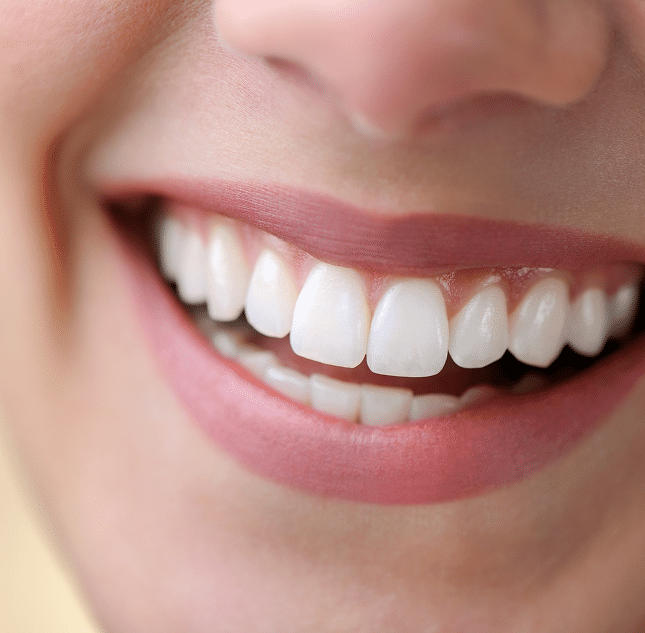
Dental crowns in Melville, NY, are used to strengthen, protect, and restore teeth that have been damaged, weakened, or treated with extensive dental work. A crown covers the visible portion of a tooth, helping it withstand normal chewing while improving its shape, size, and appearance. For patients with cracked teeth, large fillings, worn enamel, or severe decay, a crown can often help preserve the natural tooth and prevent further damage.
At Restorative and Implant Dentistry of Long Island (RIDLI), Mitchell B. Shaw, D.D.S., approaches crown treatment with attention to both function and appearance. His more than forty years in restorative, cosmetic, implant-supported, and family dentistry give patients in Melville and throughout Long Island, NY a trusted place to address tooth damage before it becomes more painful or complicated.
What Is A Dental Crown?
A dental crown is a custom-made restoration that fits over a tooth like a protective cap. Once placed, it helps restore the tooth’s strength, shape, and chewing surface. Crowns are commonly recommended when a tooth is too damaged for a filling but still has enough healthy structure to remain in place.
Crowns can be made from different dental materials depending on the location of the tooth, cosmetic goals, bite forces, and overall treatment needs. A crown on a front tooth may require a strong focus on appearance, while a crown on a back tooth must be durable enough for chewing. Dr. Shaw can recommend an option that fits the patient’s smile and oral health.
When A Dental Crown May Be Needed
A dental crown may be recommended for several reasons. In many cases, the goal is to save and protect a weakened natural tooth.
Dental crowns may be used to:
- Protect a cracked or fractured tooth
- Restore a tooth with severe decay
- Strengthen a tooth after root canal treatment
- Replace a large or failing filling
- Improve the shape or appearance of a tooth
- Cover a worn or weakened tooth
- Support a dental bridge
- Restore a dental implant
Patients may notice pain when biting, visible cracks, sensitivity, or a tooth that feels unstable. Others may not have symptoms until the tooth is examined. A consultation can help determine whether a crown is the right solution.
Types Of Dental Crowns
Different types of crowns are available, and each has specific advantages. Porcelain or ceramic crowns are often chosen for visible teeth because they can be designed to blend with the surrounding smile. Porcelain-fused-to-metal crowns combine tooth-colored material with a metal base for added strength. Metal crowns may be considered for certain back teeth where durability is the main priority.
The right crown depends on more than appearance. Bite pressure, tooth position, gum health, and existing dental work all matter. Dr. Shaw evaluates these factors before recommending a crown material, helping patients make informed decisions about comfort, longevity, and aesthetics.
What To Expect During Dental Crown Treatment
Dental crown treatment usually begins with a thorough exam. Dr. Shaw evaluates the tooth, surrounding gums, bite, and any existing restorations. If a crown is appropriate, the tooth is prepared so the restoration can fit securely and comfortably.
Impressions or digital records are then taken to create a crown that matches the patient’s bite and smile. A temporary crown may be placed while the final restoration is being made. At the final visit, the crown is checked for fit, bite, and appearance before it is bonded into place.
Patients should let the dentist know if the bite feels high or if the crown causes discomfort after placement. Small adjustments can help the crown feel more natural.
Caring For A Dental Crown
A dental crown is designed to be strong, but it still needs regular care. The crown itself cannot get a cavity, but the natural tooth structure underneath and around the gumline can still be affected by decay or gum disease.
To care for a crown, patients should:
- Brush twice a day
- Floss daily around the crown
- Avoid chewing ice or hard objects
- Wear a nightguard if recommended for grinding
- Keep routine dental cleanings and exams
- Call the dentist if the crown feels loose, painful, or uneven
Good home care and regular dental visits help protect the crowned tooth and support long-term results.
Why Choose Restorative And Implant Dentistry Of Long Island (RIDLI)
Dental crown treatment requires careful planning because the restoration must protect the tooth, fit the bite, and look natural within the smile. At Restorative and Implant Dentistry of Long Island (RIDLI), Mitchell B. Shaw, D.D.S., brings decades of restorative experience to this type of care. His treatment planning reflects a broad background in general and cosmetic dentistry, as well as complex restorative work.
Dr. Shaw graduated from SUNY Stony Brook School of Dental Medicine with numerous scholastic honors and was chosen Class Salutatorian by his classmates. He later completed a General Practice Residency at Long Island Jewish-Hillside Medical Center, gaining experience across multiple dental care settings. As co-founder and senior partner of RIDLI, he focuses on thorough communication, patient comfort, and dentistry designed to support lasting oral health.
Protect Your Tooth In Melville, NY
A dental crown can help restore strength, comfort, and appearance when a tooth is damaged or weakened. Restorative and Implant Dentistry of Long Island (RIDLI) provides dental crown treatment in Melville for patients throughout Long Island, NY. To learn whether a crown is the right way to protect your tooth, call Mitchell B. Shaw, DDS, PLLC, Restorative & Implant Dentistry of Long Island at (631) 271-1522 to schedule a consultation.